

Air Conditioning For Humid Climates — What Works Best In The Northern Rivers?
Anyone who has lived through a Northern Rivers summer knows the air itself feels different here. It's not just heat, it's the stickiness on the skin, the damp rooms even with windows shut, and the salt tang rolling in off the coast. Finding the best air conditioner for a humid climate means knowing what actually works here, not just following generic advice. Homes need air conditioning in the Northern Rivers strong enough to handle constant humidity and coastal exposure, not just cool a room down.
Why Northern Rivers Homes Need More Than a Standard Air Conditioner
Standard air conditioners are often designed with a generic Australian climate in mind, one that assumes dry heat and occasional humidity spikes. That's not what happens along the coast between Byron Bay, Ballina and Lennox Head.
Three factors define the region and shape what a system needs to handle:
- Sustained high humidity through most of the year, not just in peak summer
- Coastal salt air that accelerates corrosion on unprotected components
- Long, hot summers that keep units running for extended stretches without a break
A system built for milder inland climates will struggle here. It might cool the air temperature down, but leave the room feeling clammy, or it might corrode within a few years of coastal exposure. Extended run times through summer also put more strain on internal components, which is why build quality matters just as much as the features listed on a spec sheet. The right setup accounts for all three factors from the outset rather than treating them as an afterthought.
Reverse Cycle and Dehumidification: The Non-Negotiables
Reverse cycle air conditioning in the Northern Rivers isn't a luxury feature, it's close to essential. Reverse cycle systems heat and cool from the same unit, which matters through the region's mild but often damp winters as much as its humid summers.
Dehumidification performance matters just as much as temperature control. A unit that cools a room to 23 degrees but leaves the humidity high will still feel uncomfortable and can encourage mould growth in timber-framed homes, a common concern in older Northern Rivers properties. Look for systems with dedicated dry or dehumidify modes, and inverter technology that adjusts output smoothly rather than cycling on and off. Getting this right is what separates an average system from the best air conditioner for a humid climate.
Built to Handle the Coast: Corrosion-Resistant Components
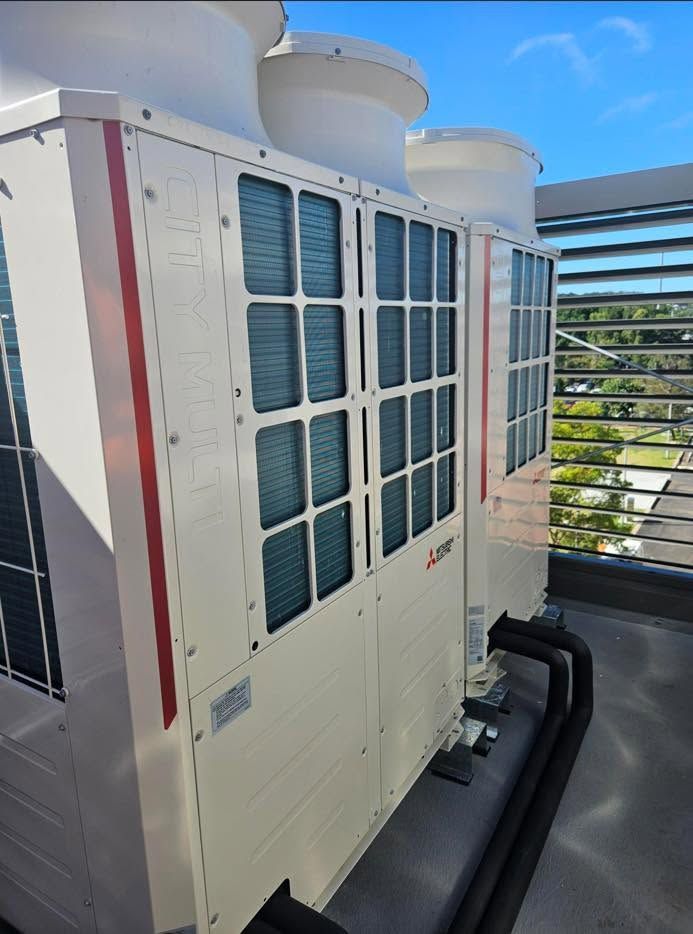
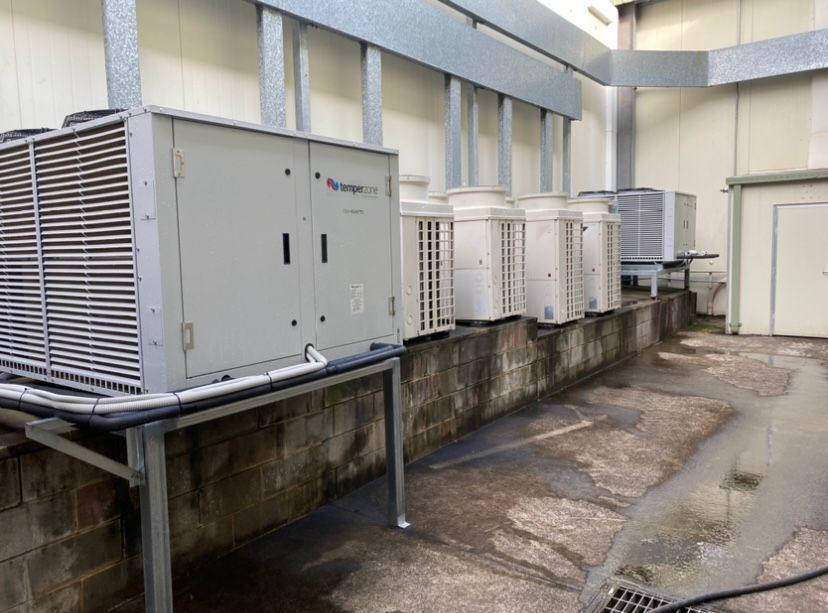
Salt air is one of the most underestimated threats to an outdoor condenser unit. Properties close to the coast, particularly around Byron Bay and other beachside suburbs, put outdoor units through conditions that inland homes never face.
Corrosion-resistant coatings on the outdoor coil, marine-grade fan blades and sealed electrical components all extend the working life of a system in these conditions. Skipping this consideration to save on upfront cost often means paying for early replacement within a few years, well short of the system's expected lifespan. This is exactly why air conditioning for coastal homes needs a different specification to a system installed further inland. Properties needing
air conditioning in Byron Bay face this exposure daily and need components chosen accordingly.
Daikin vs Mitsubishi Electric
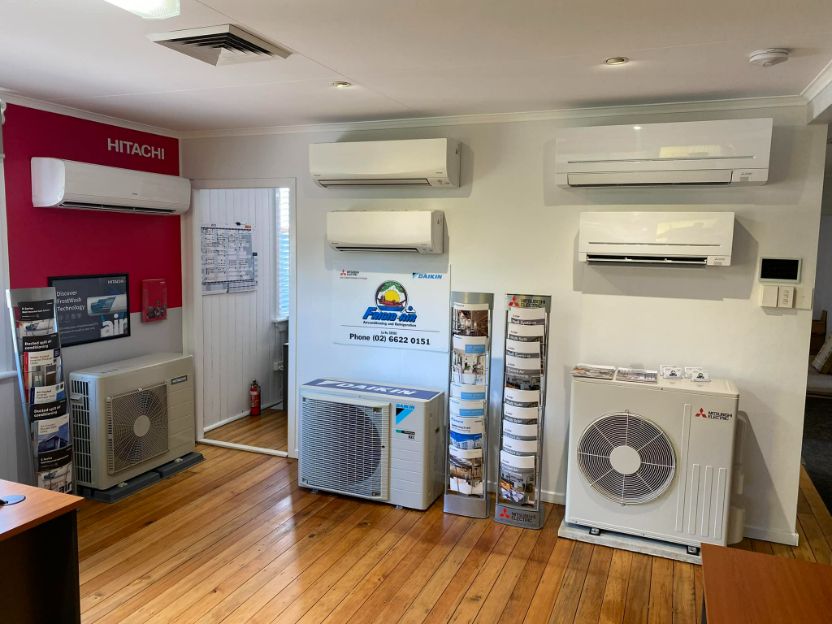
Once the essentials are covered, the brand conversation comes down to two names that dominate the reliable end of the market: Daikin and Mitsubishi Electric.
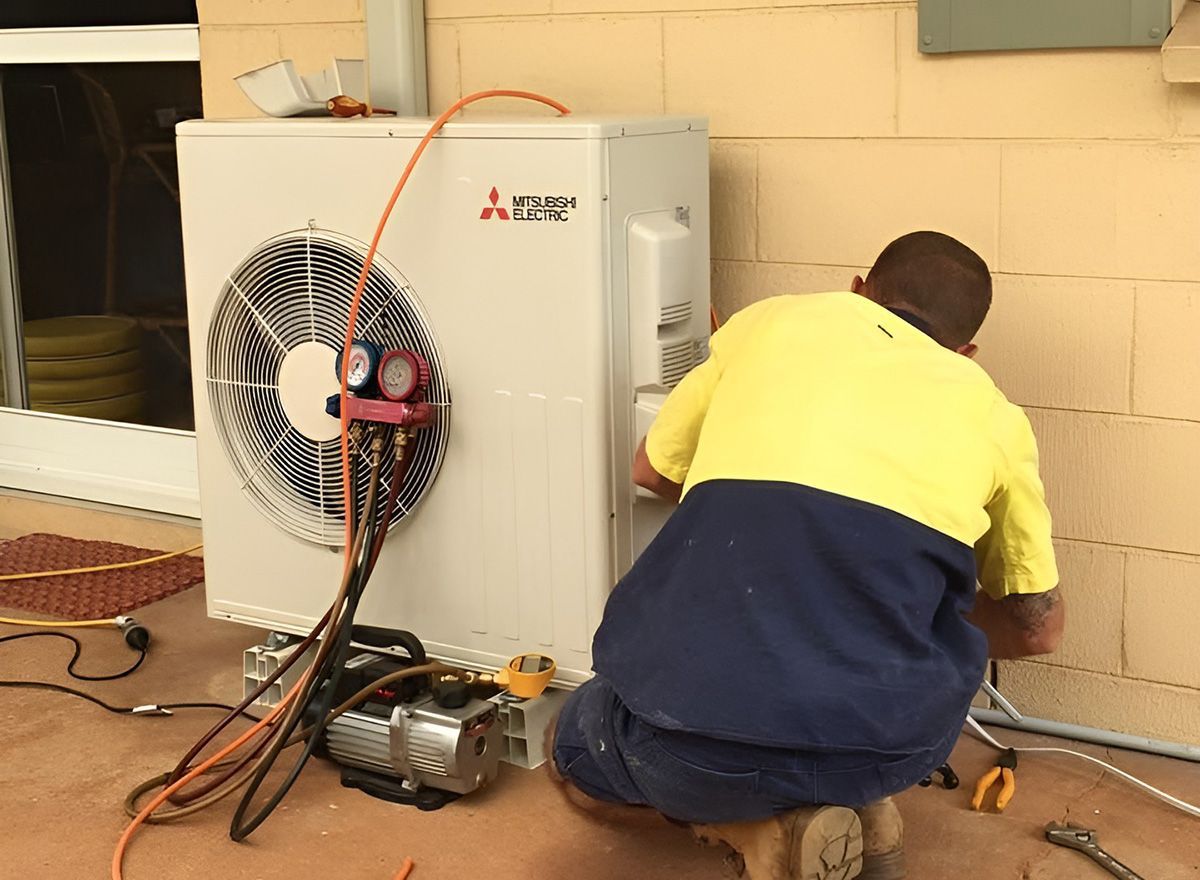
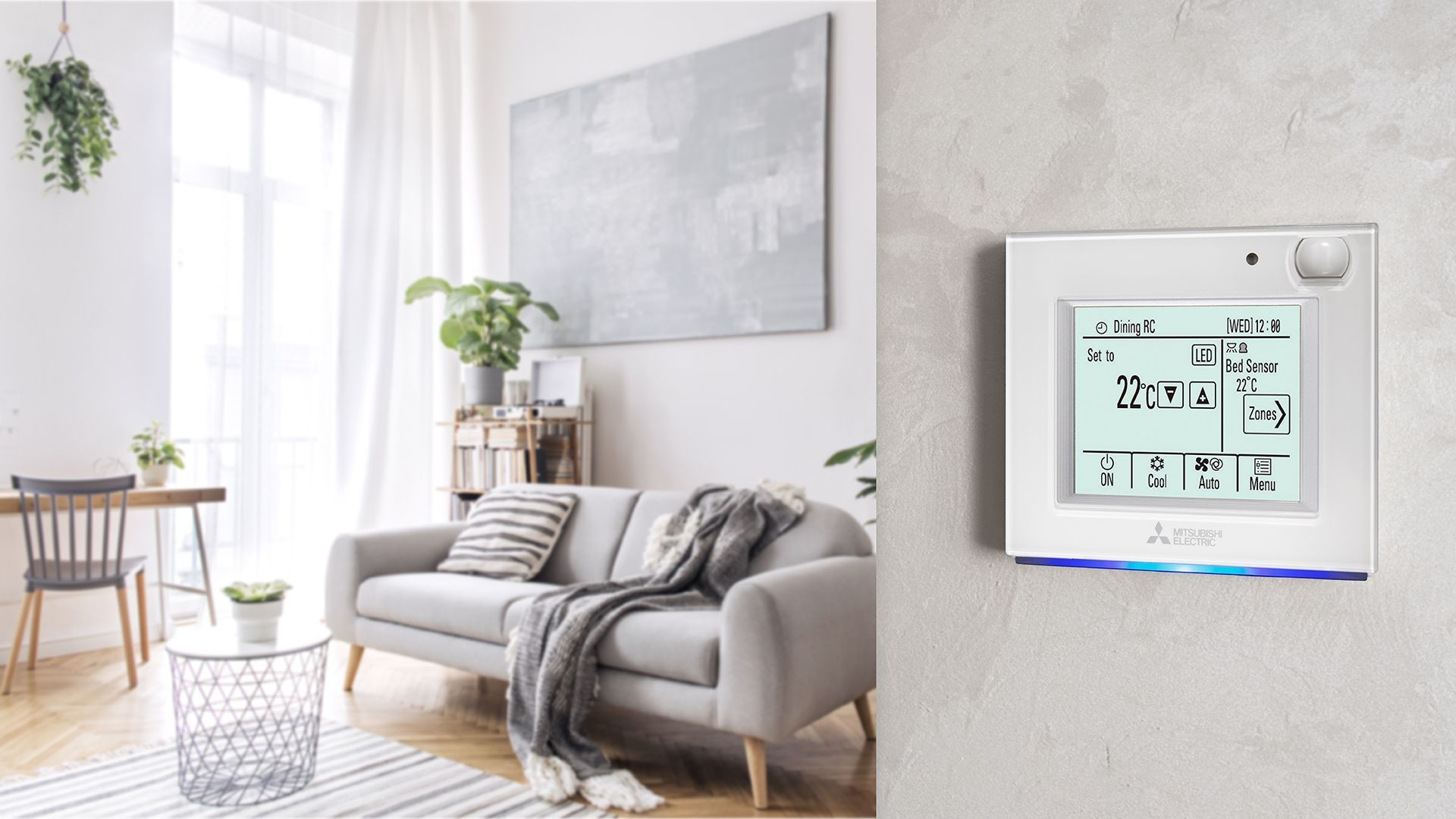
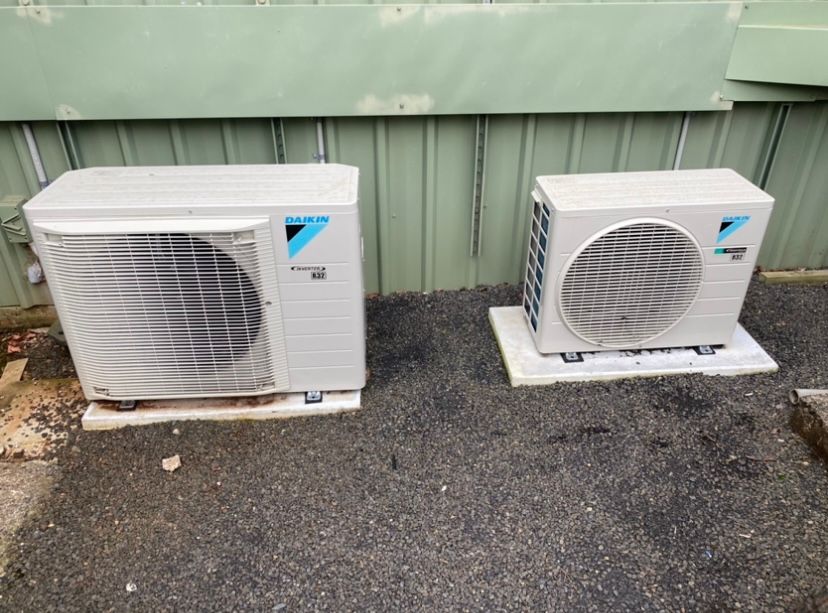
Daikin is known for quiet operation and strong energy efficiency across its range, which suits homes where noise from an outdoor unit near a bedroom or outdoor entertaining area is a concern. Mitsubishi Electric brings Smart Adaptive Control technology to the table, delivering powerful and efficient performance particularly well suited to larger or open-plan living spaces.
Both brands back their systems with manufacturer warranties covering parts and labour, and both are consistently regarded as one of the best ducted air conditioning brands in Australia depending on the priorities of the household. Choosing between them usually comes down to the layout of the home, noise sensitivity and whether the system needs to manage a single room or the whole house.
Split System or Ducted: Choosing the Right Setup
Homeowners looking into air conditioning in Ballina and air conditioning in Lennox Head often ask the same question early on: split system or ducted? The right choice depends on the size of the home and how much of it needs climate control:
- Split systems suit single rooms, smaller homes or budget-conscious installations where whole-house comfort isn't the priority
- Ducted systems suit larger homes wanting consistent temperature and humidity control across multiple rooms from one central unit
- Zoned ducted setups allow different areas to be cooled or heated independently, useful in homes with varying sun exposure
Once you understand what features matter for this climate, working out how to choose the right air conditioning system for your home becomes a lot more straightforward. It's rarely just about square metreage. Orientation, ceiling height, existing insulation and how exposed the home is to coastal weather all factor into the right recommendation. Getting the sizing right matters too, since an undersized unit struggles to keep up on the hottest days while an oversized one can short cycle and leave humidity levels higher than expected.
Why Local Knowledge Beats Generic Advice
A lot of general air conditioning advice online is written for a national audience and misses the specifics that matter in a climate like this one. Specialists working across the Northern Rivers understand what actually performs here, rather than what suits a dry inland climate or a mild southern one.
That insight covers everything from which suburbs need extra corrosion protection to how ducted zoning should be configured for a local floor plan. It's the difference between a system that's technically installed correctly and one that's genuinely suited to the home and its coastal surroundings. Anyone comparing
residential air conditioning in the Northern Rivers benefits from that depth of insight, particularly when weighing up brands, system types and installation approaches.
Getting the Right System for Northern Rivers Homes
Choosing the best air conditioner for a humid climate comes down to understanding what the Northern Rivers actually demands: reliable dehumidification, genuine corrosion resistance and a brand backed by strong warranties and proven performance. Generic advice can point homeowners in a general direction, but it can't account for salt air exposure in Byron Bay or the specific humidity patterns around Ballina and Lennox Head.
At Frigid-Air, we've spent over three decades getting these details right across the region. Get in touch with our team today and we'll help you find the right system for your home.